

Building Resilient Communities Through Local Strength and Cultural Trust
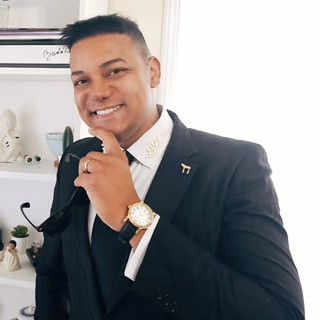

"Building a resilient community doesn't happen overnight, and it certainly doesn't happen in a vacuum. It takes neighbors stepping up, organizations collaborating, and all of us recognizing that our safety and well-being are interconnected"
The Power of Local Trust and Culture
We've all felt that rush of adrenaline when a fierce storm looms or unexpected challenges shake up our daily routines. It's in these moments that many realize how crucial our connections with neighbors and local support systems truly are. Facing emergencies alone, waiting for distant help, leaves communities vulnerable. But true resilience? It blossoms from within, nurtured by the strength and trust of local relationships!
This exciting concept is the heartbeat of Tovar CivicPath™, an initiative dedicated to building lasting resilience by empowering communities through culture and trusted connections. Tovar CivicPath™ was born from the understanding that in times of crisis, we lean on those we know and trust. Rather than solely relying on external agencies, this initiative equips local organizations—like cultural groups, nonprofits, faith-based institutions, and neighborhood associations—to spearhead preparedness and response efforts.
Leading this dynamic effort is Francisco J. Tovar, who brings 15 years of expertise in public policy and community engagement, along with five years as an educator connecting families to resources. His work underscores the power of culturally relevant approaches that respect and amplify community strengths.
By focusing on historically underserved and Afro-diasporic communities, Tovar CivicPath™ tackles the gaps that often leave these groups more vulnerable during emergencies. The initiative’s approach isn't about imposing solutions but about empowering trusted local hubs with the tools and training they need to act with impact.
A Four-Phase Approach to Building Resilience
Tovar CivicPath™ follows a dynamic, four-phase model designed to create sustainable community resilience. This model is currently being piloted and offers a roadmap that other communities can adapt. Let's dive into the phases!
Phase 1: Assessment and Relationship Building
This phase involves identifying key community leaders and organizations, understanding local needs, and building trust. It lays the foundation for collaboration by recognizing existing strengths and gaps.
Phase 2: Training and Resource Development
Community hubs receive training tailored to their cultural context and operational needs. This includes emergency preparedness, communication strategies, and resource management.
Phase 3: Implementation and Coordination
Equipped with skills and resources, local organizations begin leading preparedness activities, coordinating with neighbors, and establishing communication networks for emergencies.
Phase 4: Evaluation and Adaptation
The initiative collects feedback and data to refine strategies, ensuring the approach remains effective and responsive to changing community needs.
This phased approach ensures that resilience is not a one-time effort but an ongoing process that strengthens over time.
Examples of Community-Led Resilience in Action
In Osceola County, where Francisco Tovar has worked closely with families, community centers have become vital hubs during emergencies. For instance, during recent hurricanes, these centers coordinated shelter, food distribution, and information sharing, relying on trusted relationships rather than waiting for external agencies.
Faith-based organizations have also played a key role by mobilizing volunteers and providing culturally sensitive support. Their involvement demonstrates how local institutions can fill critical gaps when emergencies strike.
These examples show that when communities lead their own preparedness and response, they can act faster, communicate better, and support each other more effectively.
Why Building Resilience Locally Matters
Waiting for outside help can delay critical assistance during emergencies. Local organizations understand their community’s unique needs, languages, and cultural practices. This knowledge allows them to tailor responses that are more effective and inclusive.
Building resilience through local strength also fosters a sense of ownership and pride. When neighbors work together, they create networks of support that extend beyond emergencies to everyday well-being.
Moreover, this approach helps reduce disparities in emergency response. Historically underserved communities often face barriers to aid. Empowering trusted local groups helps close these gaps and ensures no one is left behind.
How You Can Support Community Resilience
Everyone has a role in building stronger communities. Here are some practical steps:
Get to know your neighbors. Simple connections build trust and create informal support networks.
Engage with local organizations. Volunteer or participate in community meetings to understand ongoing efforts.
Support cultural institutions. These groups often serve as trusted hubs during crises.
Advocate for inclusive emergency planning. Encourage local governments to involve diverse community voices.
Prepare personally and collectively. Share information and resources to help everyone stay safe.
By taking these steps, individuals contribute to a larger movement that strengthens community resilience from the ground up.
Building resilient communities takes time, effort, and collaboration. Tovar CivicPath™ shows that when neighbors, organizations, and cultural institutions come together, they create a foundation of trust and strength that can withstand emergencies. The future of community safety depends on these local connections and shared purpose.
The next step is clear: support and participate in initiatives that empower your community. Together, we can build neighborhoods that are not only prepared for challenges but thrive because of their unity and resilience.


Comments